The #EnergiMasaKini campaign promotes collaboration and concrete action to accelerate Indonesia’s energy transition through partnerships among youth, government, and the private sector.
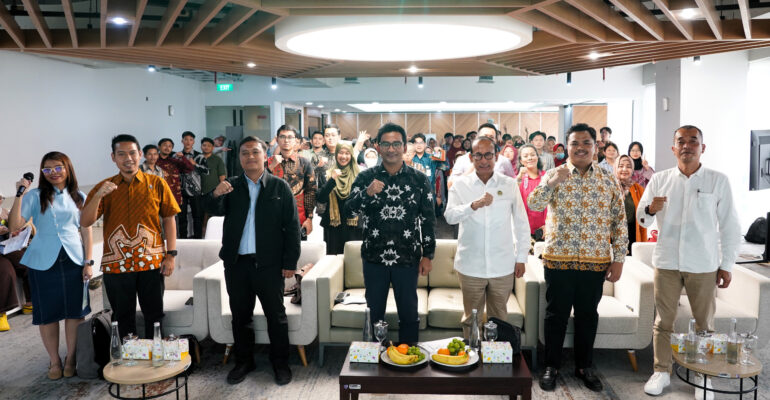
Keynote speakers and panelists joined more than 100 participants from various sectors at the Cheap & Clean Energy 2026 Seminar.
Jakarta, June 2, 2026 — Generasi Energi Bersih (GenB) Indonesia, together with the Indonesian Renewable Energy Society (METI), METI Youth Re-Act, and Pertamina New & Renewable Energy (PNRE), organized the national forum #EnergiMasaKini: Cheap & Clean Energy Now! at Grha Pertamina, Jakarta, on Tuesday (June 2). The event brought together stakeholders from across sectors—including government representatives, civil society organizations, industry players, media, and youth—to discuss a more inclusive, affordable, and sustainable energy transition pathway for Indonesia.
Carrying the theme “From Perception to Action, From Voices to Policy,” the forum served as a strategic platform for dialogue aimed at accelerating the implementation of clean energy while strengthening public participation in supporting Indonesia’s national energy transition agenda.
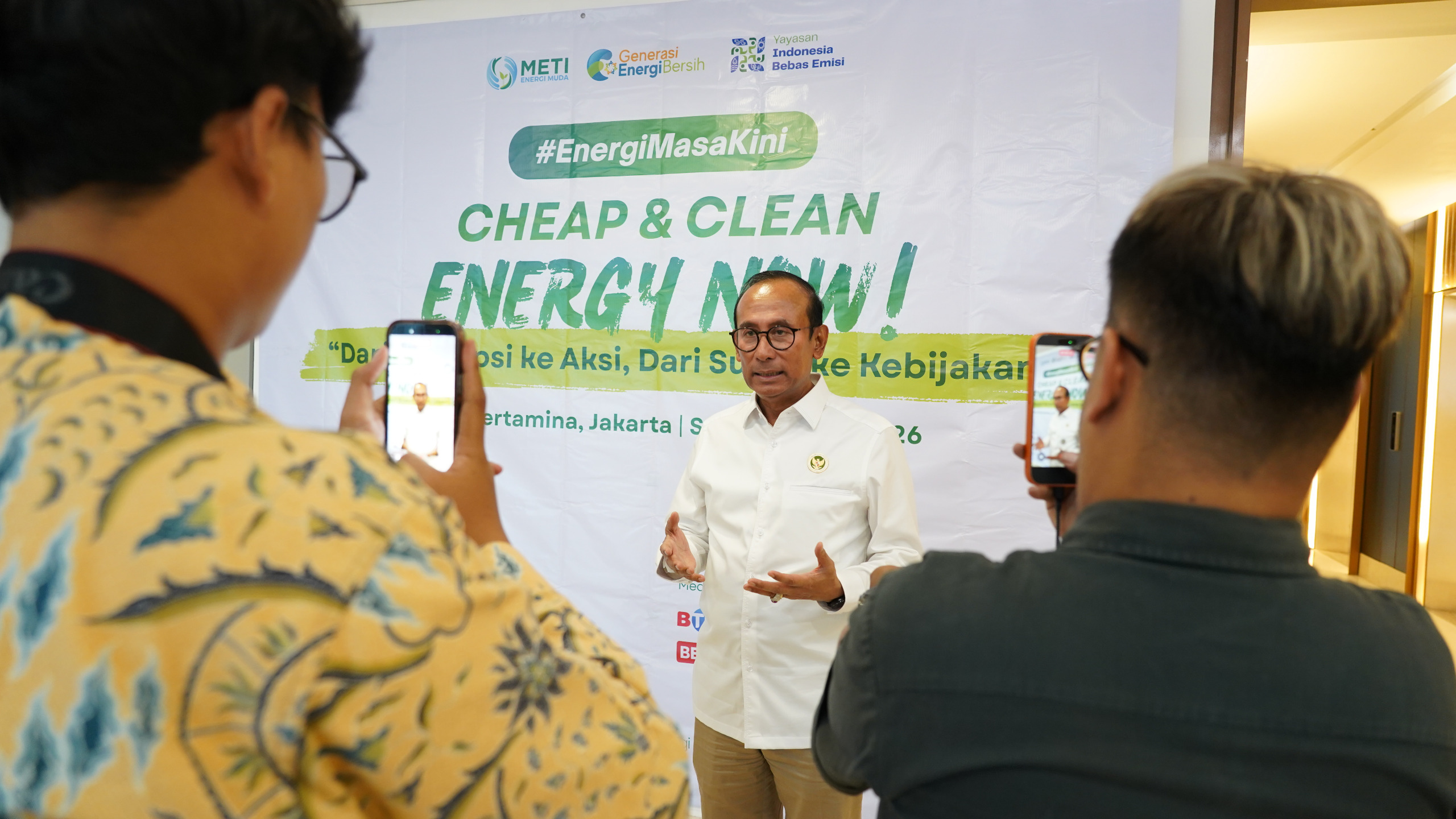
During the keynote session, Satya Widya Yudha, Member of the National Energy Council (DEN) representing the industrial sector, emphasized that accelerating the energy transition requires active collaboration among all stakeholders, including young people and industry actors. He highlighted the importance of strengthening national energy security through the development of energy storage capacity, improvements to national energy regulations, and stronger energy diplomacy amid evolving global dynamics.
Satya Widya Yudha, Member of the National Energy Council (DEN) from the industrial sector, encouraged young people to collaborate in achieving Indonesia’s Net Zero Emissions (NZE) target through the Cheap & Clean Energy campaign.
“Indonesia already has a clear energy policy direction through the National Energy Plan (RUEN) and Regional Energy Plans (RUED). The challenge now is ensuring synchronized implementation between the national and regional levels while strengthening human resource capacity in the green energy sector,” said Satya Widya Yudha.
The government is also reportedly pushing for the implementation of B50 biodiesel starting in July as part of its strategy to increase the national energy mix and strengthen long-term energy security.
Meanwhile, Norman Ginting, Acting Chairman of METI, emphasized that clean energy represents a strategic opportunity for Indonesia—not only in addressing climate change but also in driving new economic growth.
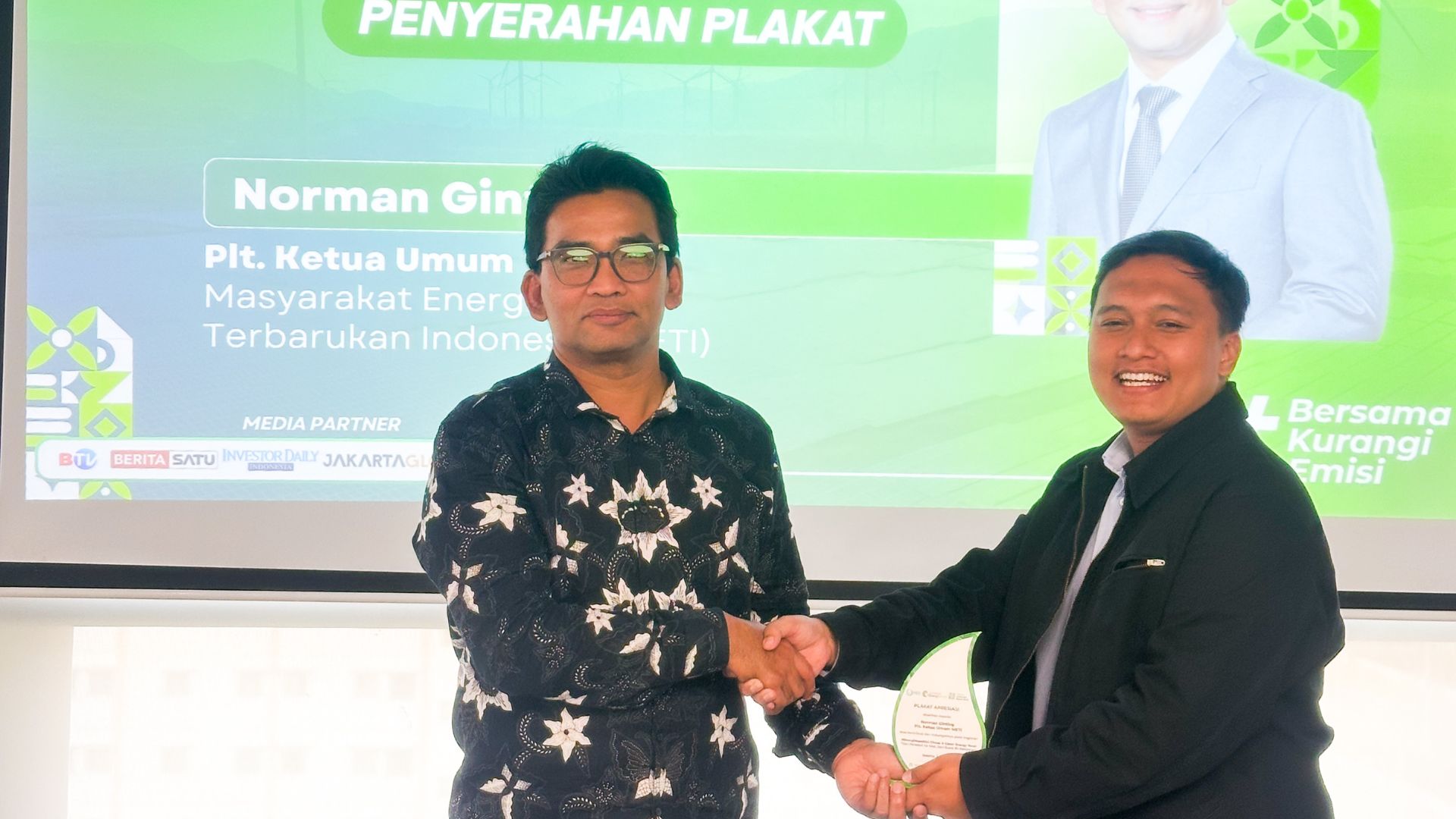
Presentation of a commemorative plaque symbolizing youth collaboration to increase Indonesia’s renewable energy share, from METI Youth Re-Act Chairman Alif Zulviqar Syahroni to Acting METI Chairman Norman Ginting.
“Indonesia possesses enormous renewable energy potential, yet its utilization remains far from optimal. The target of developing up to 100 GW of renewable energy can only be achieved if young people take on the role of drivers of change,” said Norman.
He also highlighted various strategic sectors where young people can contribute, both domestically and across ASEAN, including engineering, project development, finance and investment, ESG and sustainability, digital and data, policy and advocacy, and entrepreneurship.
“METI continues to study best practices from ASEAN countries to adapt and implement them in Indonesia,” he added.
Alif Zulviqar Syahroni, Chairman of METI Energi Muda, stressed that youth involvement must go beyond ceremonial activities and be reflected in meaningful contributions and leadership across energy transition initiatives.
“Young people must be part of the solution. The energy transition presents significant opportunities for youth to contribute directly to the transformation of Indonesia’s renewable energy sector,” Alif stated.
During the forum, GenB Indonesia presented the results of a public opinion poll involving nearly 900 respondents, 87 percent of whom were from Generation Z and Millennials. The survey revealed strong public support for clean energy and an accelerated energy transition. Around 90 percent of respondents expressed a desire for clean energy, 74 percent supported accelerating the energy transition, and 92 percent stated they were willing to participate in efforts to support Indonesia’s energy transition.
Ilham Maulana, National Chairperson of GenB Indonesia, outlined four key public aspirations that emerged from the survey: affordable clean energy, public energy literacy, meaningful youth participation, and multi-stakeholder collaboration.
“Young people do not only want to be heard; they also want to be meaningfully involved in Indonesia’s energy transition process,” said Ilham.
During the Strategic Panel Discussion, speakers highlighted challenges in implementing the energy transition from various perspectives.
Djaka Susila, Editor-in-Chief of Investor Daily and Jakarta Globe, argued that Indonesia continues to face a renewable energy paradox, where extensive discussions about clean energy have not yet been fully matched by regulatory readiness, market development, or behavioral changes among the public.
Meanwhile, Fadil, representing the Institute for Essential Services Reform (IESR), underscored the importance of a more flexible and adaptive electricity system capable of accommodating higher renewable energy penetration, particularly in the development of rooftop solar PV.
Arifah Handayani, Community Action Manager of The Climate Reality Project Indonesia, emphasized that the energy transition must be carried out fairly and take into account affected communities through a just energy transition approach.
On the other hand, Anggi Renaldi Pratama, Secretary General of METI Youth Re-Act, noted that global industry trends increasingly reflect a shift toward sustainability and ESG principles. He encouraged young people to take active roles as agents of change and disseminators of information on the energy transition.
“Awareness of energy and environmental issues must begin with ourselves and our immediate surroundings. In this way, we can collectively ensure the success of Indonesia’s NZE target,” he said.
Through the #EnergiMasaKini forum, stakeholders agreed that accelerating Indonesia’s energy transition requires multi-stakeholder collaboration, policy consistency, stronger public literacy, and meaningful youth engagement. Only through these efforts can the clean energy agenda move beyond discourse and be translated into concrete actions and policies that deliver tangible benefits to society.
About #EnergiMasaKini
#EnergiMasaKini is a collaborative forum that brings together stakeholders from across sectors to discuss the acceleration of Indonesia’s affordable, inclusive, and sustainable energy transition. The forum was initiated as a strategic dialogue platform to encourage public participation—particularly among young people—in supporting the country’s energy transformation agenda.