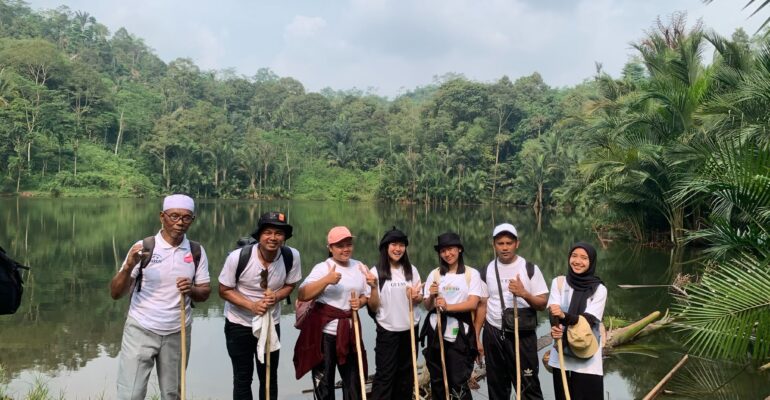
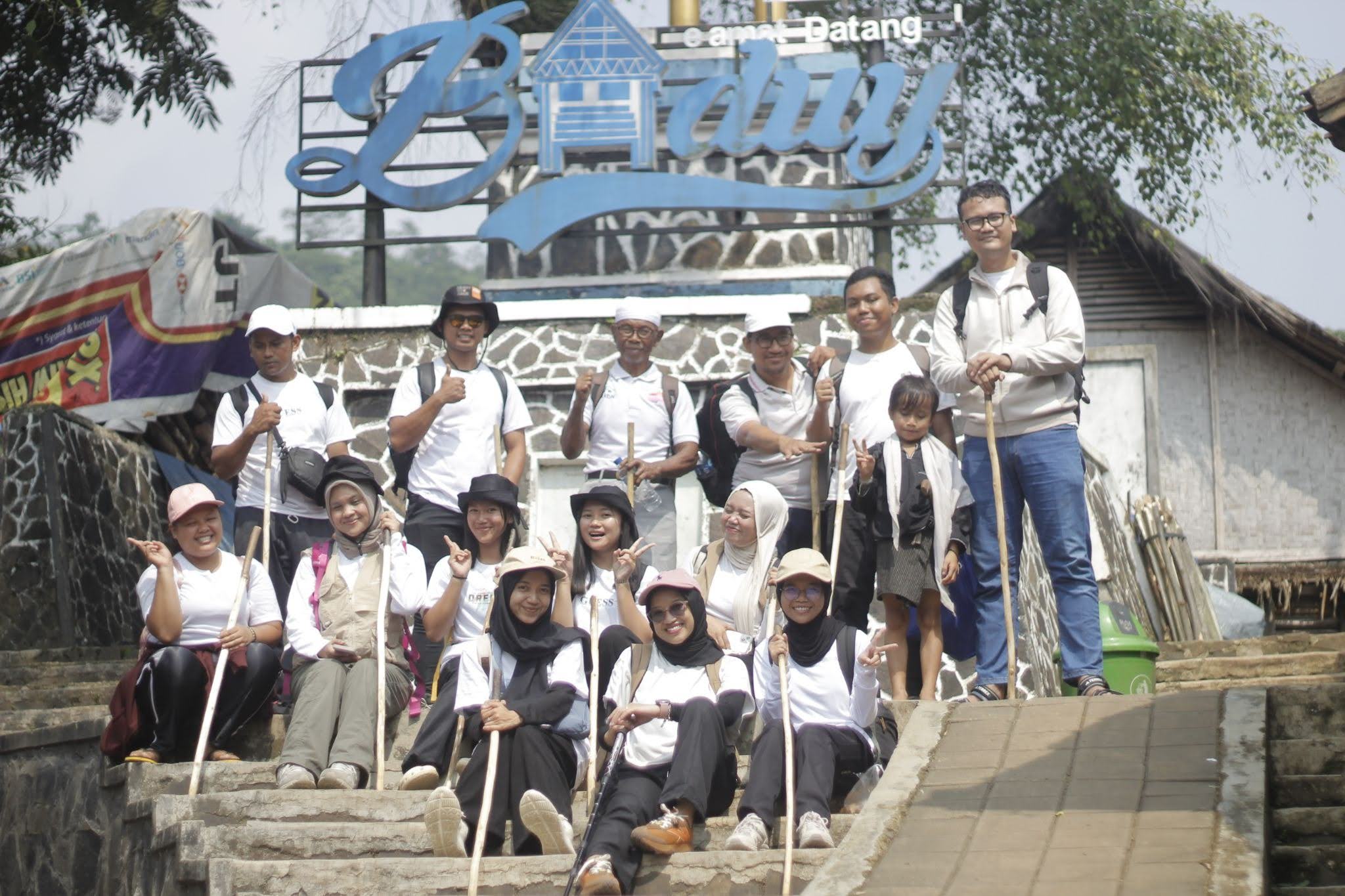
A visit to Baduy was an important component of the Sustainable Emission Reduction Initiative (SERI) Ciptarasa program, which was designed to strengthen the capacity of the Ciptarasa Lestari Group (CITARI). The activity aimed to prepare the group to manage programs and visitor experiences in Ciptarasa and its surrounding areas sustainably, based on local wisdom.
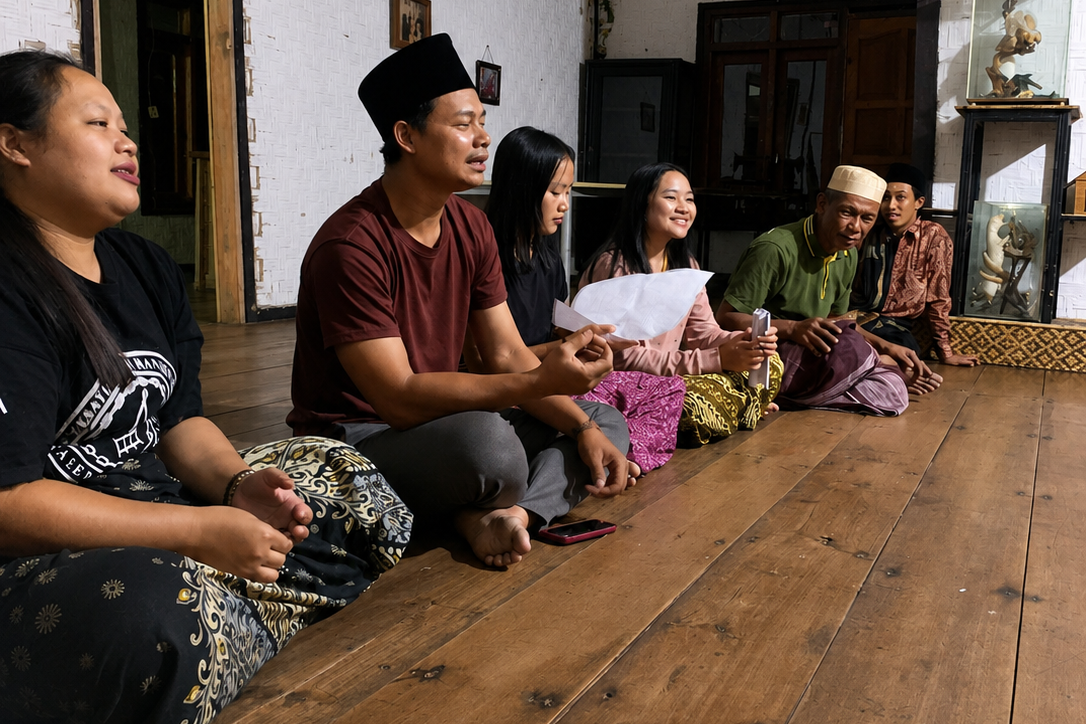
This field study was not merely a visit, but a process of in-depth learning from the Baduy indigenous community, which has long been recognized for its ability to maintain a balance between nature, culture, and everyday life. Through direct interaction, participants not only learned from the practices of the Baduy people but also engaged in knowledge exchange with various actors, ranging from local communities and facilitators to external stakeholders involved in the management of the area. This process provided a more comprehensive perspective on understanding community-based sustainability practices.
Values such as simplicity, adherence to customary traditions, and prudent natural resource management became important lessons that can be reflected upon in the context of Ciptarasa. From Baduy, participants learned that sustainability does not always depend on advanced technology, but rather on consistency in maintaining harmony between people and the environment. This understanding serves as a key foundation for CITARI in designing visitor experiences that are not only attractive, but also responsible toward the environment and local culture.
Furthermore, these values of simplicity and respect for nature are highly relevant when connected to the energy transition currently being promoted in Indonesia. For example, the vast potential of the Cirata Floating Solar Power Plant (PLTS) in West Java demonstrates how solar energy utilization can maximize the use of water surfaces without disrupting terrestrial ecosystems. Likewise, the Sidrap Wind Power Plant (PLTB) in Sidrap Regency, South Sulawesi, illustrates how natural resources can be transformed into sustainable clean energy.
As part of the learning process within the SERI Ciptarasa program, the CITARI group also conducted field observations on various aspects, including visitor management, the attractiveness of the area, environmental management systems, and the role of the community in maintaining sustainability. The findings were then critically analyzed by identifying the strengths and challenges of the model implemented in Baduy.
Subsequently, comparisons were made with the conditions in Ciptarasa. This process enabled participants to understand existing similarities and differences, while also formulating contextual strategies. Some practices can be adopted directly, while others need to be adapted to local social, cultural, and environmental conditions. Moreover, the process creates opportunities for developing new innovations that are relevant to the needs of the Ciptarasa community.
Thus, the study visit to Baduy within the framework of the SERI Ciptarasa program was not only a learning activity but also a strategic space for reflection that strengthened the preparedness of the CITARI group. The lessons gained are expected to serve as a foundation for welcoming visitors to Ciptarasa through an approach that focuses not only on tourism experiences, but also on education, cultural preservation, and environmental sustainability.