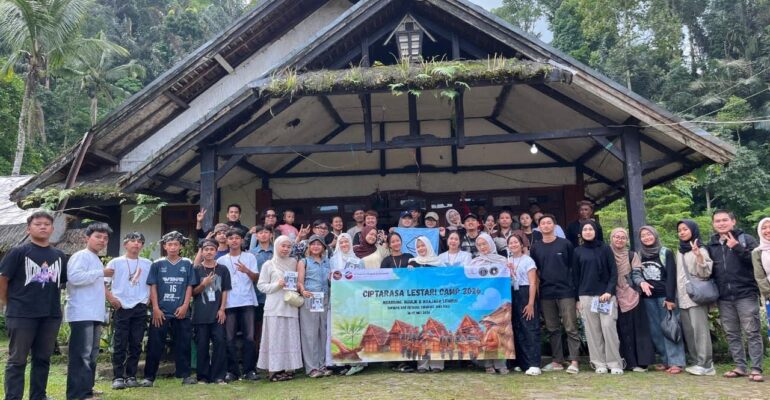
Ciptarasa Lestari Camp is an initiative organized by the Ciptarasa Lestari Group (CITARI) as a space for learning, collaboration, and collective action in the Indigenous Village of Ciptarasa. More than just a gathering, the activity forms part of broader efforts to prepare the community to manage local potential in a sustainable manner.
The establishment of CITARI itself is an important component of the implementation of the Sustainable Emission Reduction Initiative (SERI) Ciptarasa program, which emphasizes a community empowerment approach. In this context, CITARI serves as a local driving force that bridges various program activities, ranging from community engagement and capacity building to the independent management of the indigenous village’s potential. Through CITARI, the implementation of the SERI program is not merely externally driven, but grows from the initiative and active participation of the community itself.
The activity involved 33 participants who took part directly in a range of activities alongside local residents. Through a participatory approach, participants were not merely observers but became immersed in the dynamics of village life, engaging in environmental, social, and economic activities.
More than just an event, Ciptarasa Lestari Camp was designed as a pilot for community-based ecotourism using a live-in concept. Participants stayed with and interacted directly with local residents, creating authentic experiences while fostering mutual learning. This approach also encouraged the active involvement of various local actors, including community members, managers, entrepreneurs, and customary leaders.
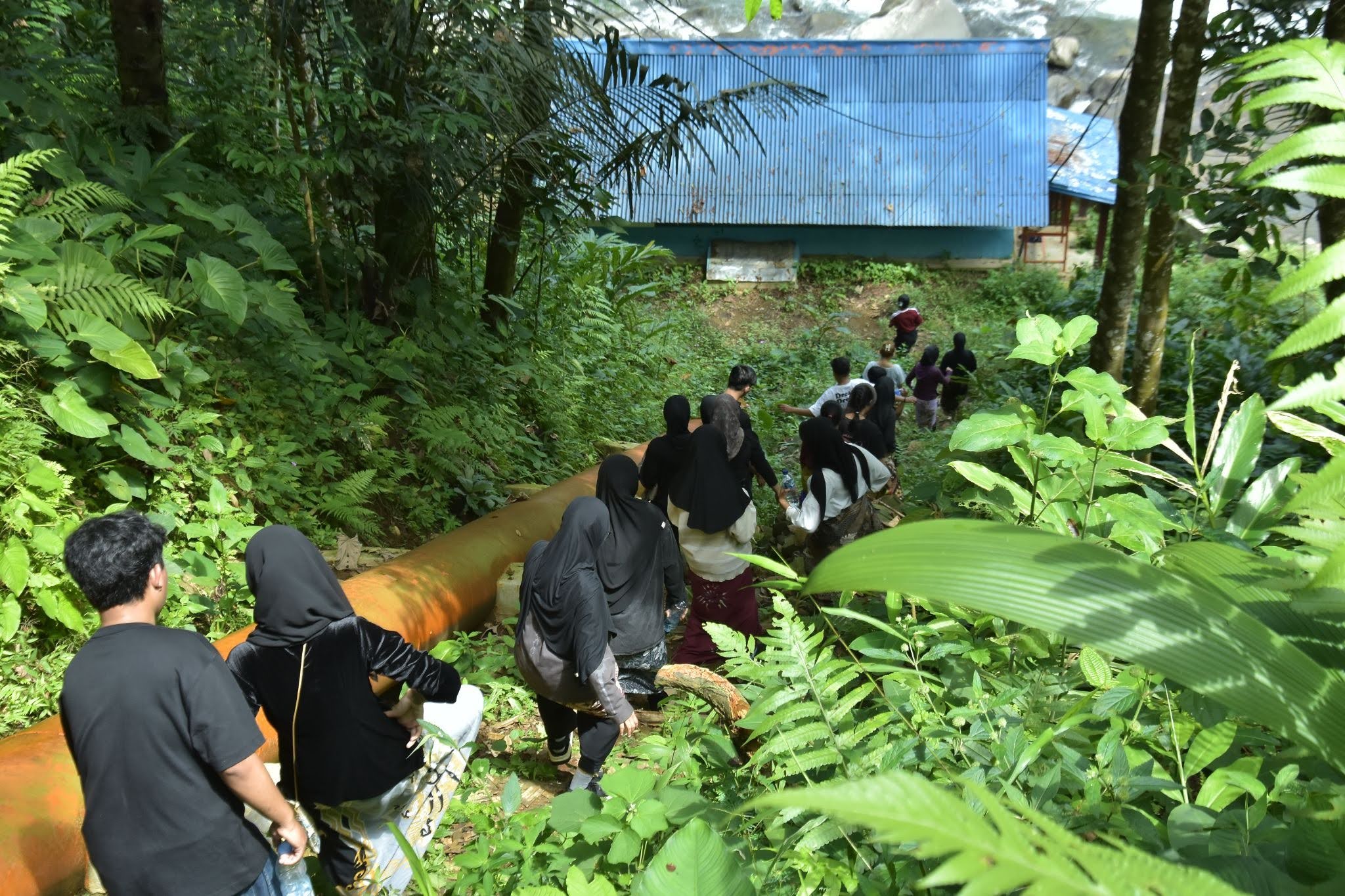
In its implementation, CITARI integrated three main elements—culture, nature, and energy transition—as the foundation of the activities. One manifestation of this approach was through social and cultural activities, as well as renewable energy learning through visits to a Microhydropower Plant (PLTMH), which plays an important role in helping participants understand local sustainability practices.
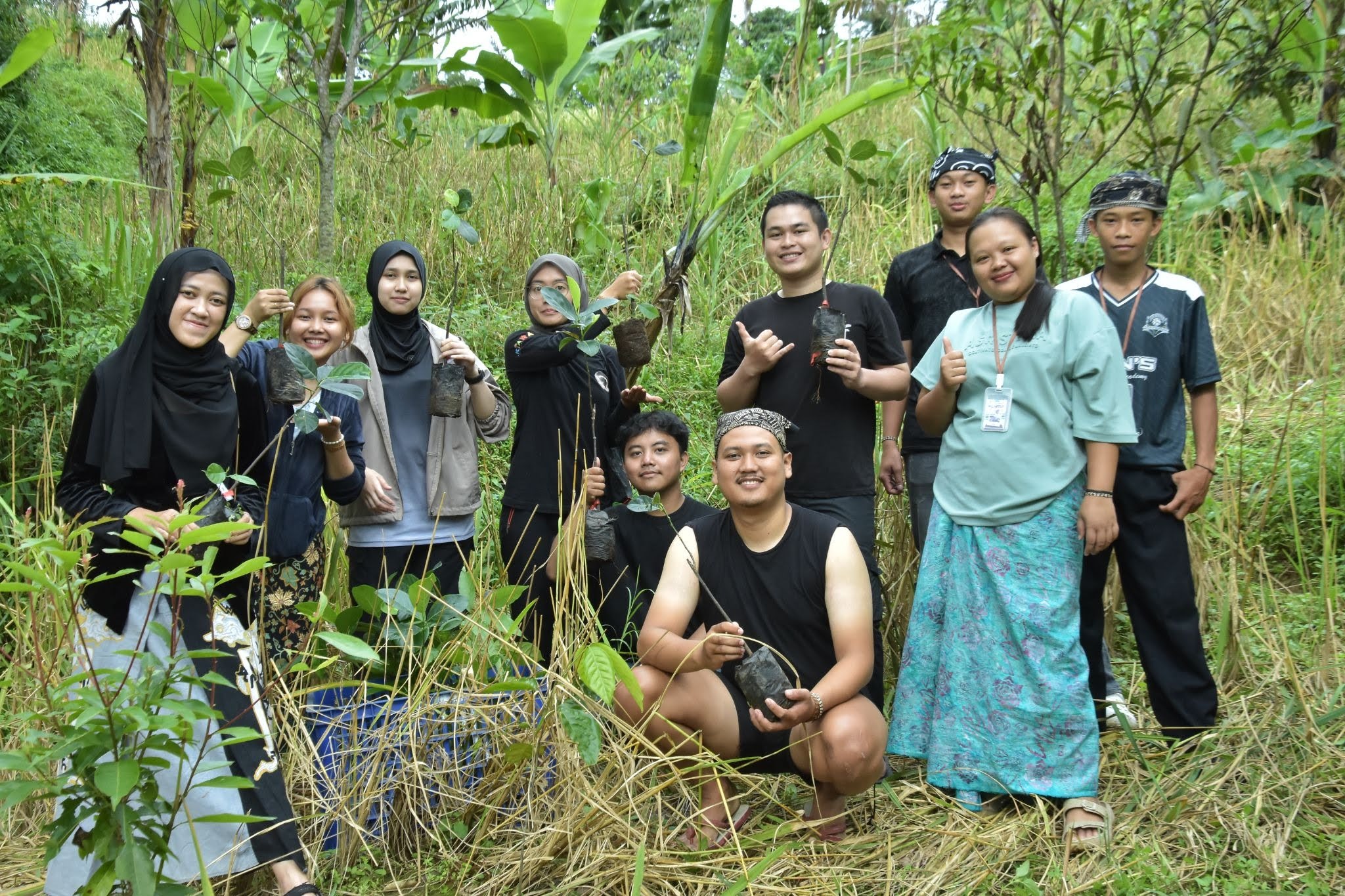
One of the key achievements of the camp was its contribution to environmental conservation through the adoption of 98 trees, consisting of timber species such as raksamala, puspa, manglid, and tisuk, as well as productive plants such as coffee and durian. This initiative not only generated ecological benefits but also strengthened collective awareness of the importance of environmental stewardship.
In addition, the camp served as a platform for cross-sector learning, enabling knowledge exchange among participants, community members, and partner organizations involved in the program. This process fostered a more comprehensive understanding of environmental management, renewable energy, and community empowerment based on local potential. One participant, Nursita Aisyah, shared her impressions: “The event was truly memorable. I learned so much about agriculture and the Javan gibbon, and I also made new friends. It was so much fun—I hope I can come here again.” Another participant, Ashab from Bandung, expressed his hopes for the CITARI group: “I hope the young people here can continue to grow and go even further.”
Through this community-led approach, local residents are not merely beneficiaries but become the main actors in every stage of the process, ensuring that the programs implemented are more relevant and sustainable. With its diverse activities and tangible impacts, Ciptarasa Lestari Camp marks an important first step in developing a community-based ecotourism model that focuses not only on attracting visitors, but also on learning, empowerment, and sustainability.