
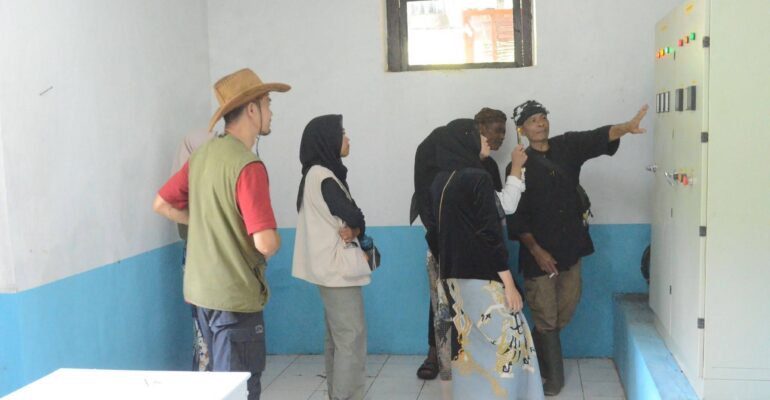
Kasepuhan Gelar Alam is one of Indonesia’s indigenous communities that continues to maintain harmony between people and nature. The local wisdom passed down through generations is reflected in various aspects of life, including the management of energy resources. One tangible manifestation of this commitment is the utilization of renewable energy through four micro-hydropower plants (MHPs), which are independently managed by the community.
The four micro-hydropower plants operating in the Kasepuhan Gelar Alam area play a vital role in providing electricity to hundreds of households across several villages. The Cibadak MHP is the largest contributor, supplying electricity to 212 households in Ciptagelar, Suka Mulya, and Lebak Manggu. It is followed by the Situmurni MHP, which serves 191 households in Cipulus and Cikuluwung, and the Cipulus MHP, which powers 124 households in the central area of Kasepuhan Gelar Alam and Lebak Hariang. Meanwhile, the Ciganas MHP complements local energy needs by supplying electricity to 100 households in Kampung Ciptarasa, Cisigung, and Sirnarasa.
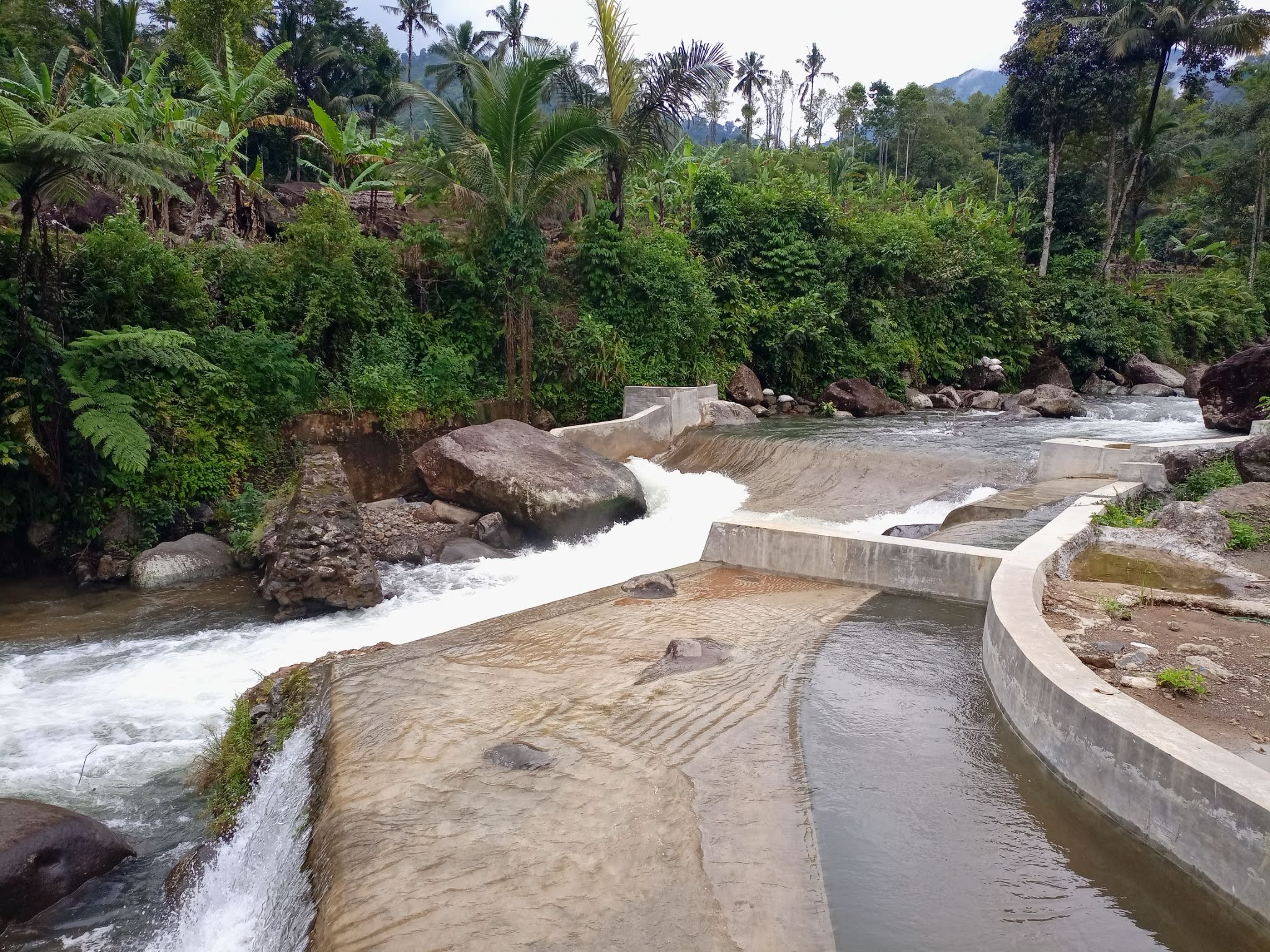
These four facilities—Ciganas MHP, Cipulus MHP, Cibadak MHP, and Situ Murni MHP—not only function as sources of electricity for household consumption but also serve as symbols of community-based energy self-sufficiency. By harnessing flowing water as the primary energy source, the people of Kasepuhan Gelar Alam are able to meet their electricity needs without relying on fossil fuels. More than just infrastructure, these MHPs embody the values of mutual cooperation, sustainability, and local wisdom that remain relevant amid modernization.
Over time, the role of these MHPs has expanded beyond their basic function as electricity providers. Through the Sustainable Emission Reduction Initiative (SERI), the plants have begun to be integrated as an important component of community-based ecotourism development. The clean energy generated supports tourism activities, including lighting, accommodation facilities, and educational programs, while also becoming an attraction in itself for visitors.
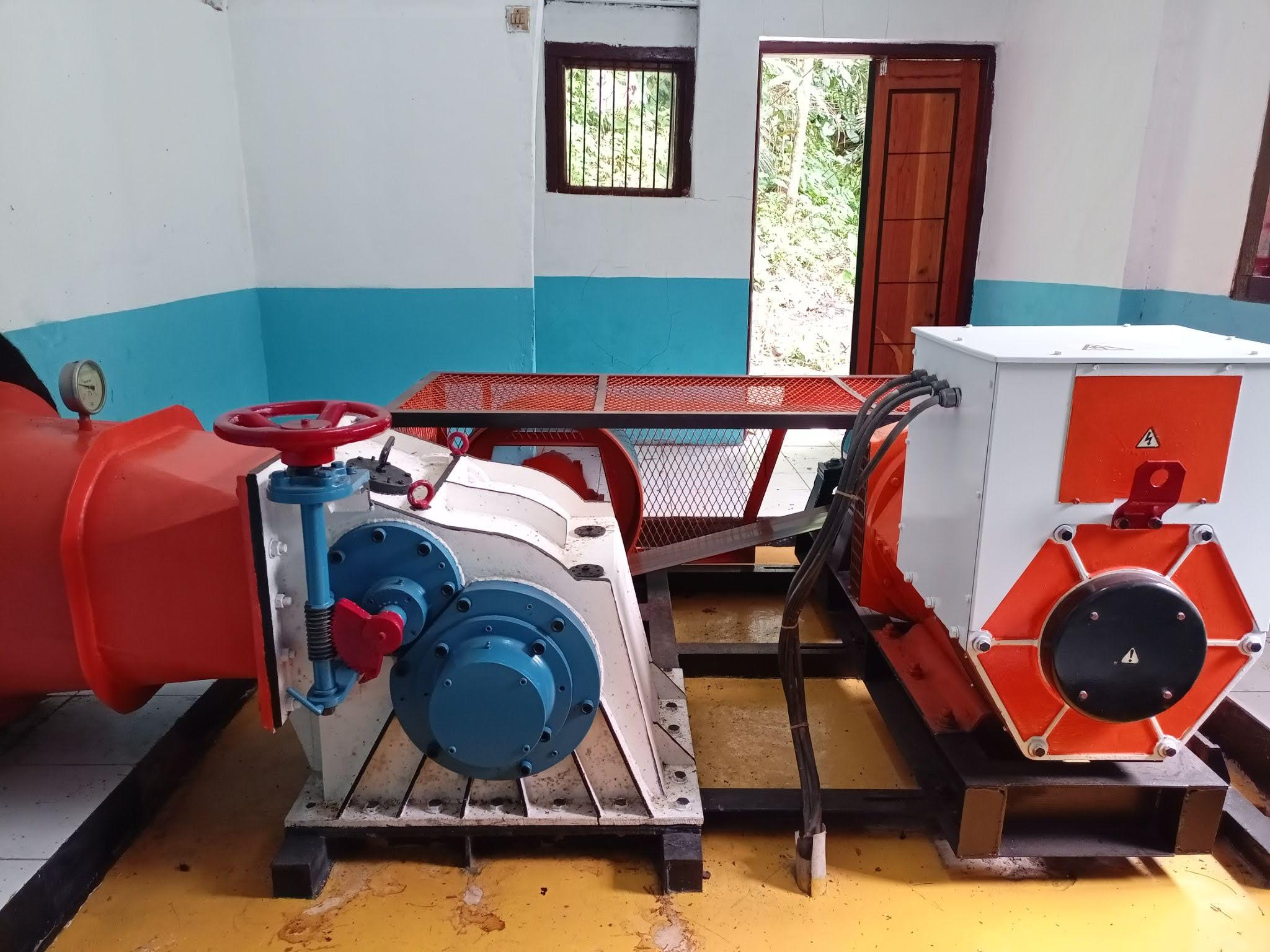
The MHPs in Kasepuhan Gelar Alam create opportunities for educational tourism by introducing visitors directly to renewable energy practices. Tourists not only enjoy the area’s natural beauty and rich cultural heritage but also learn how indigenous communities manage energy independently and sustainably. In this way, the MHPs serve as a learning medium while strengthening the narrative of ecotourism that emphasizes not only recreation but also education and environmental awareness.
Furthermore, the availability of reliable electricity has encouraged the growth of local economic activities, ranging from homestay operations and culinary businesses to community-based handicraft production. This demonstrates that clean energy contributes not only to environmental sustainability but also to improving the welfare of local communities.
With all of its potential, Kasepuhan Gelar Alam serves as an example of how renewable energy can become a key pillar of sustainable ecotourism development. The micro-hydropower plants do more than provide electricity; they connect tradition, innovation, and sustainability within a unified ecosystem. This model shows that energy self-reliance and cultural preservation can go hand in hand, while creating opportunities for a greener and more inclusive future for local communities.
