Renewable energy not only serves as an environmentally friendly source of electricity but also has significant potential to drive local economic growth. One approach that is gaining momentum is the Productive Use of Renewable Energy (PURE), which refers to the use of renewable energy to support productive economic activities that can improve community welfare, strengthen food security, and create sustainable business opportunities.
To date, micro-hydropower plants (MHPs) have generally been used to meet household electricity needs, such as lighting and powering basic electronic appliances. However, when managed optimally, electricity generated from MHPs can provide a foundation for developing various productive enterprises in rural areas. The PURE concept seeks to maximize this potential by connecting access to clean energy with economic activities that generate added value for local communities.
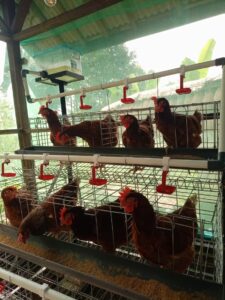
This approach is being implemented through the SERI Ciptarasa Program, which is developing a micro-hydropower-based layer chicken farm in Kasepuhan Gelar Alam. This initiative demonstrates how access to renewable energy can drive the local economy while supporting more self-reliant rural development.
Why Layer Chicken Farming?
Layer chicken farming was selected because it offers promising economic prospects and can provide direct benefits to local communities. Eggs are among the most accessible sources of animal protein, with relatively stable market demand throughout the year. Daily egg production also provides a continuous source of income for farmer groups.
In addition, layer chicken farming can be managed effectively at the community-group level, its farming techniques are relatively easy to learn, and its waste can be utilized as organic fertilizer. This approach also supports the implementation of a circular economy, in which waste is processed and reused as a valuable resource.
Therefore, developing layer chicken farming not only increases community income but also strengthens local food security by providing a nutritious source of protein produced independently within the village.
Community Collaboration in Managing Productive Enterprises
The program is implemented by two community groups, namely the Kampung Ciptarasa Group and the Kampung Ciptagelar Group, each consisting of three members. The two groups work together to manage all farming activities, including feeding, coop maintenance, monitoring chicken health, recording egg production, and marketing the products.
All farm operations are supported by electricity supplied by the MHP, which is used for lighting and heating the chicken coops. Stable coop conditions help maintain the chickens’ health and support egg productivity. In addition to electricity, the farm’s water needs are met through a water source integrated with the micro-hydropower system, enabling the farm to operate optimally.
Electricity Monitoring for More Efficient Energy Use
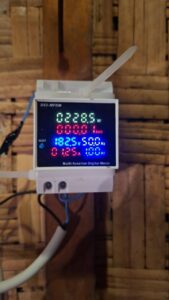
As part of efforts to ensure the sustainable use of renewable energy, each farm unit is equipped with a multifunction digital meter connected directly to the MHP output system.
This device allows the farmer groups to monitor electrical conditions in real time, including voltage, current, power, and electricity consumption. Through this monitoring system, the groups can ensure a stable electricity supply while managing energy use according to the plant’s generation capacity. This helps improve electricity-use efficiency and supports the long-term sustainability of MHP operations.
Strengthening Community Capacity as a Key to Success
The success of renewable-energy-powered layer chicken farming depends not only on the availability of infrastructure but also on the community’s capacity to manage the business effectively.
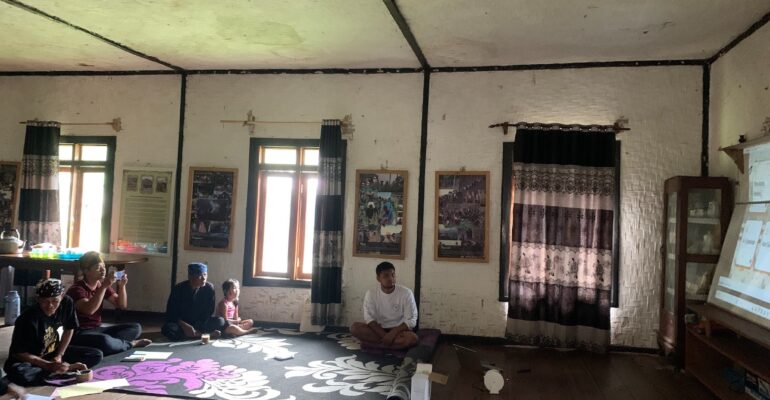
To support this, both farmer groups received training from Asep Sugalih, a young poultry farmer from Sukabumi representing Maju Mapan Farm. The training covered various aspects of layer chicken farming, including coop management, feeding, poultry health management, and business management. In addition to technical knowledge transfer, participants were encouraged to develop an entrepreneurial mindset and build their businesses independently.
According to Asep Sugalih, Kasepuhan Gelar Alam has significant potential for developing layer chicken farming due to its suitable environmental conditions, abundant water resources, and reliable electricity supply from the MHP. Together, these factors create an enabling ecosystem for the sustainable development of poultry farming.
PURE: Renewable Energy to Drive Economic Growth and Food Security
The development of micro-hydropower-based layer chicken farming in Kasepuhan Gelar Alam provides a concrete example of how Productive Use of Renewable Energy (PURE) can transform renewable energy into a driver of community economic development.
By integrating access to clean energy, community capacity building, and the development of productive enterprises, the program not only generates economic benefits but also strengthens food security, creates new business opportunities, and promotes more inclusive and sustainable rural development. This initiative demonstrates that renewable energy can serve as a catalyst for community prosperity when harnessed for productive activities that generate long-term added value.