
Fashion styles like old money, Y2K, and minimalism come and go, influencing our society’s aesthetics and social media. People are keen to follow current fashion trends. However, it’s worth noting the growing public awareness of sustainable fashion. TikTok, a social media platform with hundreds of millions of users, is one platform where people gain education and information about the importance of adopting slow fashion. According to an analysis by Business Insider, fashion production contributes 10% of total global carbon emissions. This waste drains water sources and pollutes rivers and streams, while 85% of all textiles are dumped into landfills each year. Even washing clothes releases 500,000 tons of microfibers into the ocean annually, equivalent to 50 billion plastic bottles. Based on the environmental impacts of clothing production and consumption, sustainable fashion is more than just a passing trend. It represents a fundamental shift towards more responsible practices.
The Fashion Industry’s Impact on the Environment
In 2020, the United Nations and the European Union estimated that the fashion industry contributed 8 to 10 percent of global carbon emissions. According to Textile Exchange, a non-profit organization focused on fashion and apparel industry issues, global fiber production nearly doubled between 2000 and 2022, reaching 116 million tons and is likely to exceed 147 million tons of clothing produced annually by 2030. This equates to up to 100 billion new garments being produced globally each year, a trend that is moving faster than ever.
For example, in Ghana, textile waste is caused by large piles of used clothing imported from Western countries. Much of this clothing is low-quality and unsuitable for resale, leading to further waste generation. The Atacama Desert in Chile has become a dumping ground for unwanted clothing from around the world, particularly from fast fashion brands. This trend has resulted in large volumes of unwanted clothing being left in the desert, creating a massive waste problem.
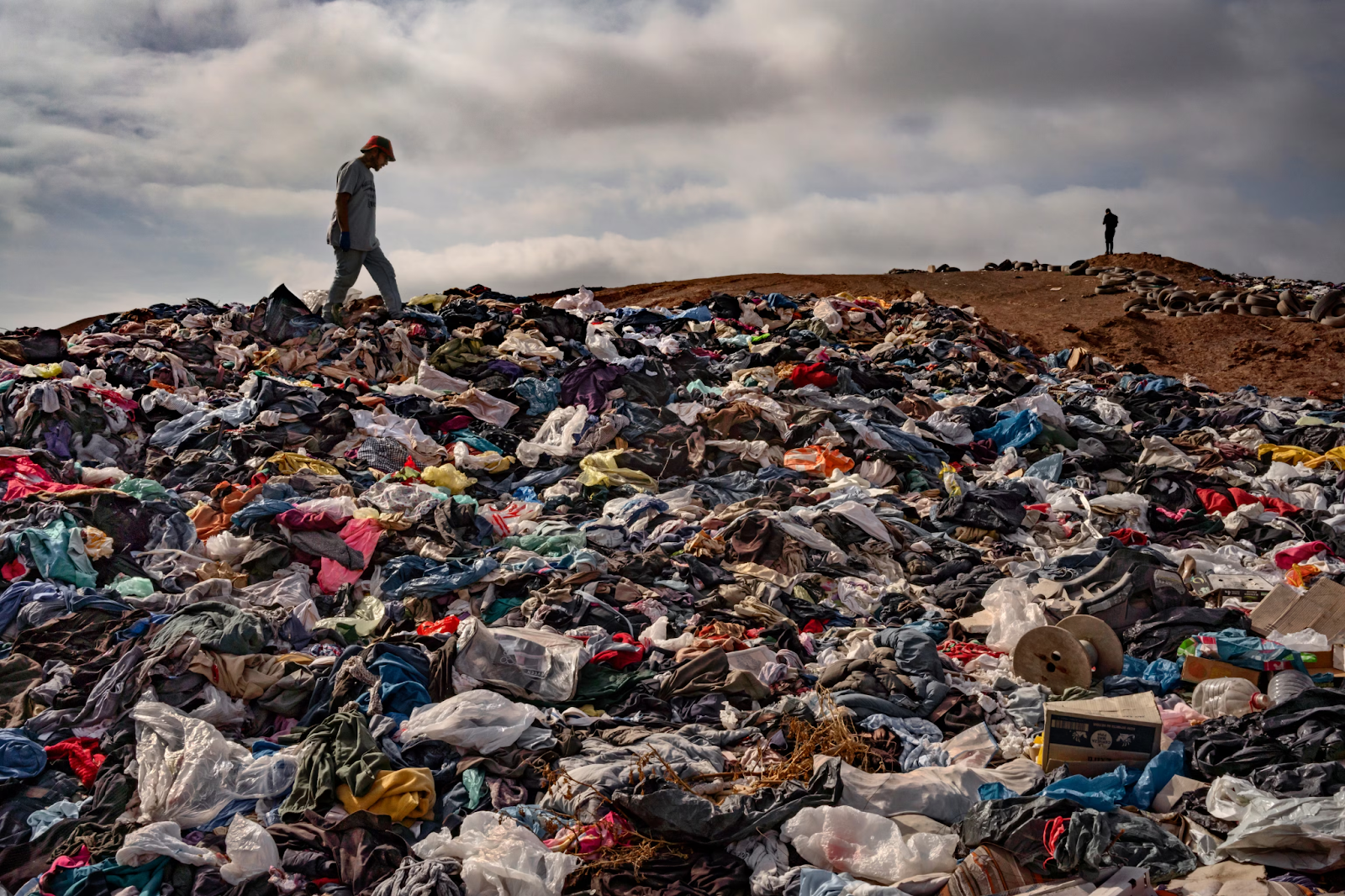
Figure 2. Pile of Textile Waste (Source: nationalgeographic.com)
Other environmental impacts caused by textile waste:
Water Pollution
In 2020, textile production was responsible for approximately 20% of global water pollution due to dyeing and processing. Growing cotton and other components to produce a single piece of fabric requires land and a significant amount of water. Making one cotton t-shirt requires 2,700 liters of fresh water, which is equivalent to a person’s drinking water needs for 2.5 years.
Air Pollution
The destruction of textile waste through incineration and decomposition can release pollutants such as carbon dioxide, carbon monoxide, volatile organic compounds, and methane, all of which contribute to air pollution and climate change.
The Impact of Fashion Industry Waste on Ecosystems
In Indonesia, the Citarum River, which supplies 80% of Jakarta’s water supply, is reported to be one of the most polluted rivers in the world. The textile industry is responsible for up to 68% of the river’s pollution, with over 200 factories located along its banks. The textile production process releases harmful contaminants into the river, which then have adverse impacts on human health. Microplastic pollutants, also found in fish samples and water sediments, eventually accumulate in the food chain, threatening marine life and human health.
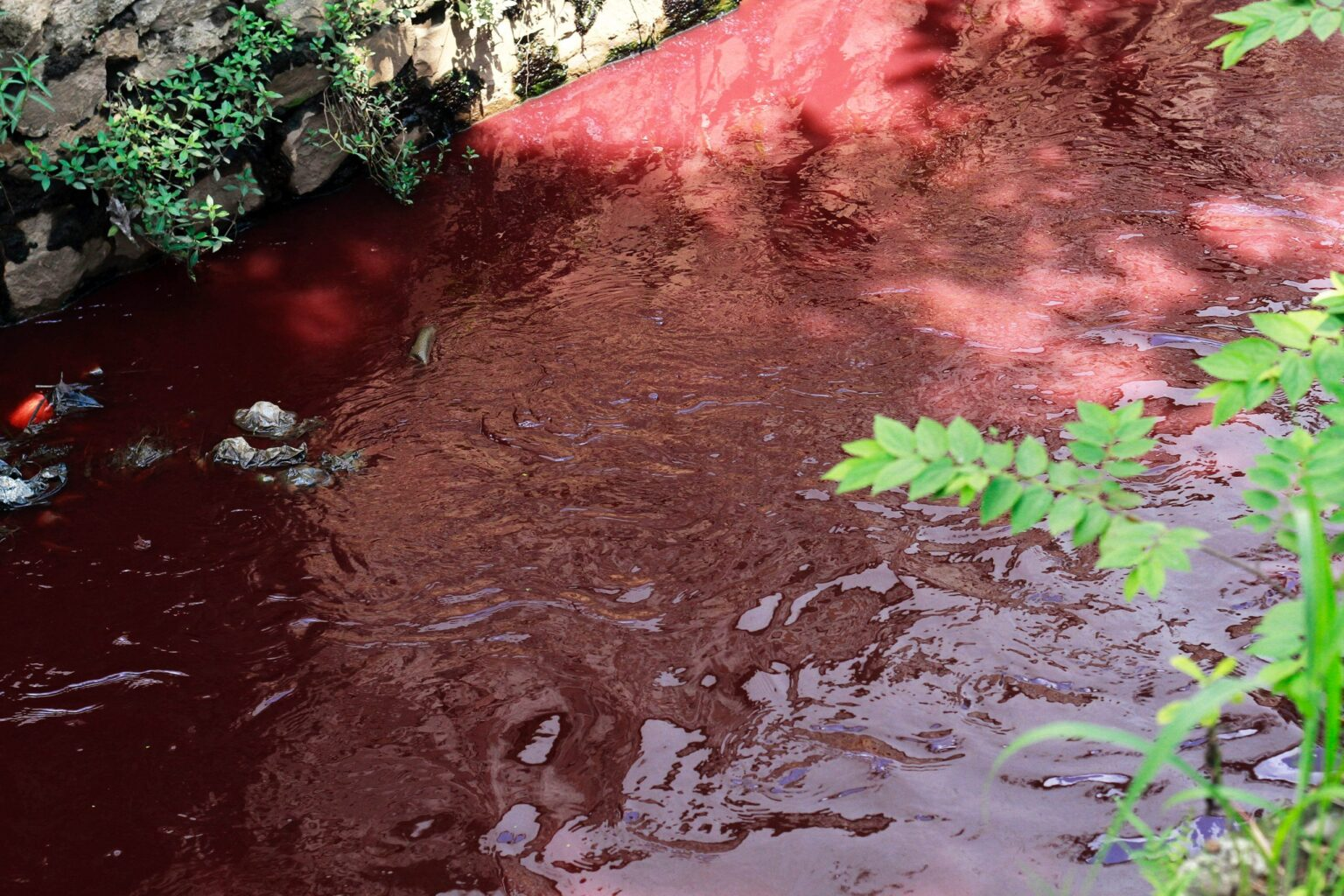
Figure 3. Textile dye waste in the Citarum River (Source: Iklimku.org)
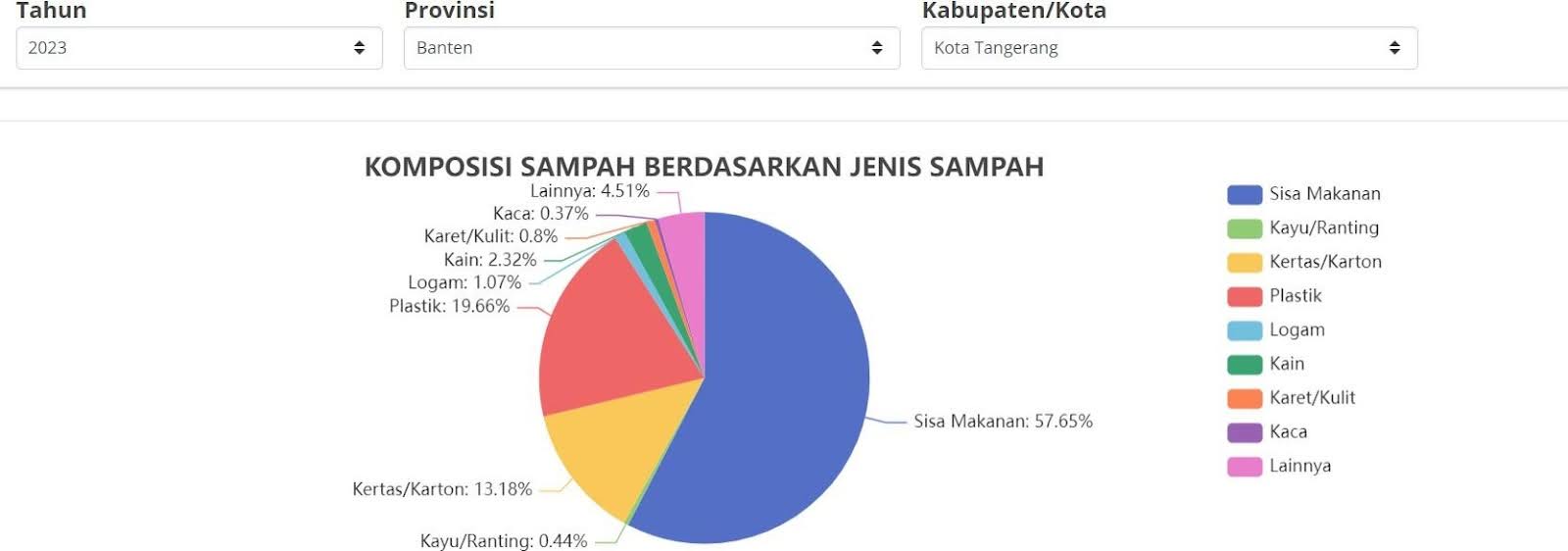
According to 2023 data, the composition of textile waste, specifically in the Tangerang area, remains relatively low at around 2.32%. This indicates a relatively minimal contribution of pollutants from the textile industry in the region.
Sustainable Materials and Fabrics
Cotton production has been proven to be a toxic threat to the environment. It uses heavy chemicals, pesticides, and harmful fertilizers that cause soil and water pollution.
Examples of alternative materials that can help minimize these impacts:
Organic Cotton
Unlike conventional cotton products, organic cotton is grown without pesticides and synthetic fertilizers and is processed without chemicals, using 62% less energy and 88% less water overall.
Recycled Cotton
Recycled cotton is produced using post-industrial or consumer waste. The recycling process uses less energy than producing new cotton from raw materials.
Hemp
Hemp is one of the most environmentally friendly natural fabrics. It requires minimal water or chemicals and provides phytoremediation benefits to the soil. Hemp is considered a carbon-negative raw material because it absorbs CO2 from the atmosphere.
A well-known sustainable clothing brand from Indonesia has demonstrated its commitment to promoting ethical and sustainable practices through the production of eco-friendly clothing products:
Sejauh Mata Memandang
This brand embodies the principles of slow and circular fashion, reflected in the materials they use, such as cotton, linen, Tencel, and recycled textiles. Sejauh Mata Memandang collaborates with EcoTouch on a clothing recycling program. According to the latest “Sejauh Mata Memandang Impact Report” as of May 2023, over 5,700 kg of used clothing has been collected, and over 2,400 kg of that has been recycled into yarn and insulation. Furthermore, over 12,000 upcycled products were sold between 2020 and 2022.
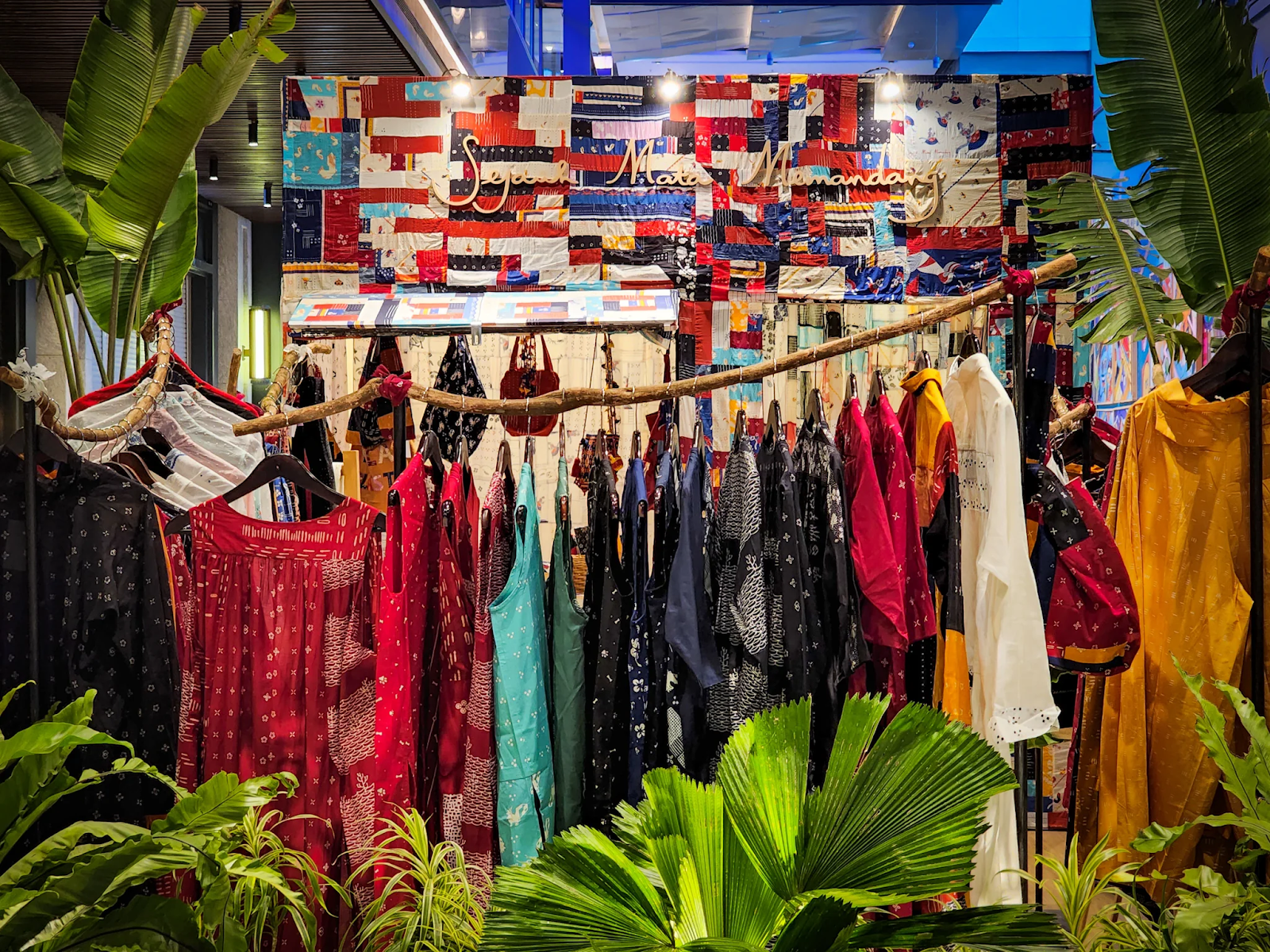
Figure 4. Sajauh Mata Memandang Products (Source: jauh.com)
SukkhaCitta
As their motto suggests, SukkhaCitta is a farm-to-closet brand that creates economic empowerment for women artisans and smallholder farmers in Indonesian villages. The brand uses only natural botanical dyes to color its products. In 2022, the brand became the first fashion company in Indonesia to achieve B Corp certification: the highest third-party certification currently available for transparency and business practices related to social and environmental impact.
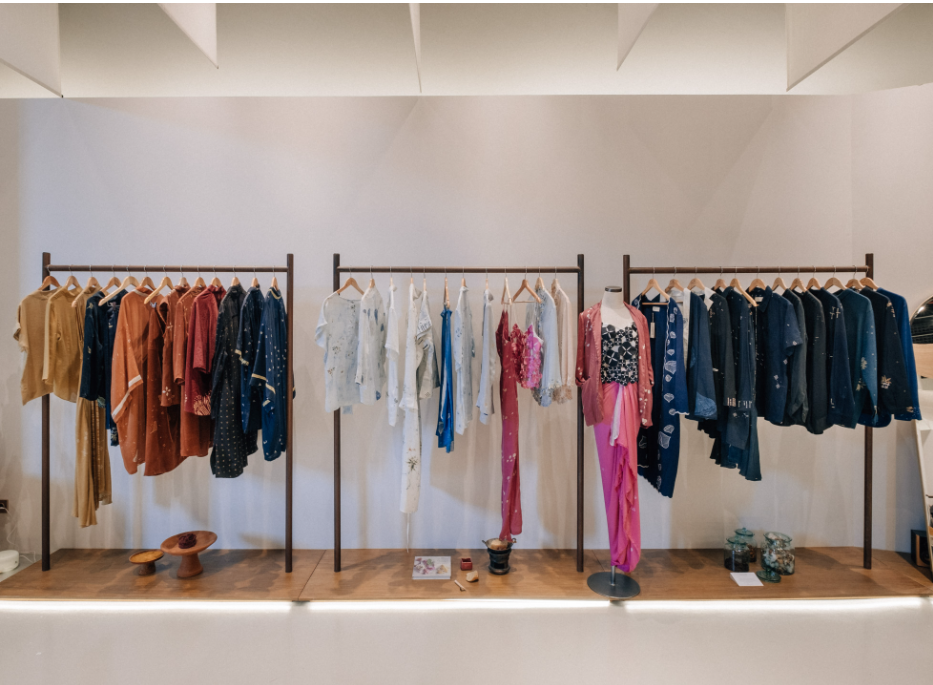
Figure 5. Sukkha Citta Products (Source: manual.co.id)
Sustainable Fashion Practices
As individuals, there are various proactive steps we can take to support initiatives aimed at promoting sustainable fashion:
Minimize Consumption and Maximize Use
Let’s ensure your wardrobe includes clothing designed for long-term wear by choosing fashion items made from high-quality fabrics, offering versatile use, and featuring timeless designs that remain stylish beyond temporary trends.
Be Mindful of Your Washing Practices
Always check the washing instructions on your clothing labels. Following the recommended washing guidelines will extend the life of your clothes. Keep in mind that a 6 kg load of domestic laundry can shed up to 700,000 fibers, so reconsider washing items that are only worn once. Washing at a lower temperature will save energy, and simple habits like turning clothes inside out can increase the lifespan of your garments.
Textile Recycling
If possible, participate in textile recycling initiatives and donate unwanted clothing to thrift stores or charities such as Sedekas.com, clothesforcharity.id, Setali Indonesia, and Tukar Baju. Buying secondhand products is a great way to minimize your impact on the planet. Some thrift stores in Tangerang that offer high-quality secondhand goods include Vintage Vibes in Flavor Bliss, Fit Point Thrift Shop in Karang Tengah, Tangerang, and Sorak Store in Ciputat, Tangerang, specializing in vintage shoes.
Fashion Rentals
To avoid overconsumption, people can now rent clothes for everyday needs and special occasions from trusted online rental platforms. In Indonesia, the rental industry has grown, with several platforms offering clothing rentals for specific occasions such as weddings, office wear, etc. Some rental platforms worth checking out in the Jakarta & Tangerang areas are www.styletheoryweb.co.id, www.dresscodes.com, and www.sundari.id/.
Sustainable fashion is not just a trend but a necessary evolution in the clothing industry. Consumers, designers, and brands all have a role to play in transforming the way we think and approach fashion, creating a positive and sustainable impact on the planet and its inhabitants. By prioritizing ethical practices, reducing environmental impact, and adopting innovative materials, we can pave the way for a more responsible and stylish future.

One Comment
Gaya mode seperti old money, Y2K, minimalis, datang silih berganti daan turut mempengaruhi estetika masyarakat dan media sosial kita. Masyarakat sangat tertarik mengikuti tren fashion saat ini. Namun, hal yang perlu dicatat adalah meningkatnya kesadaran masyarakat akan fashion berkelanjutan