
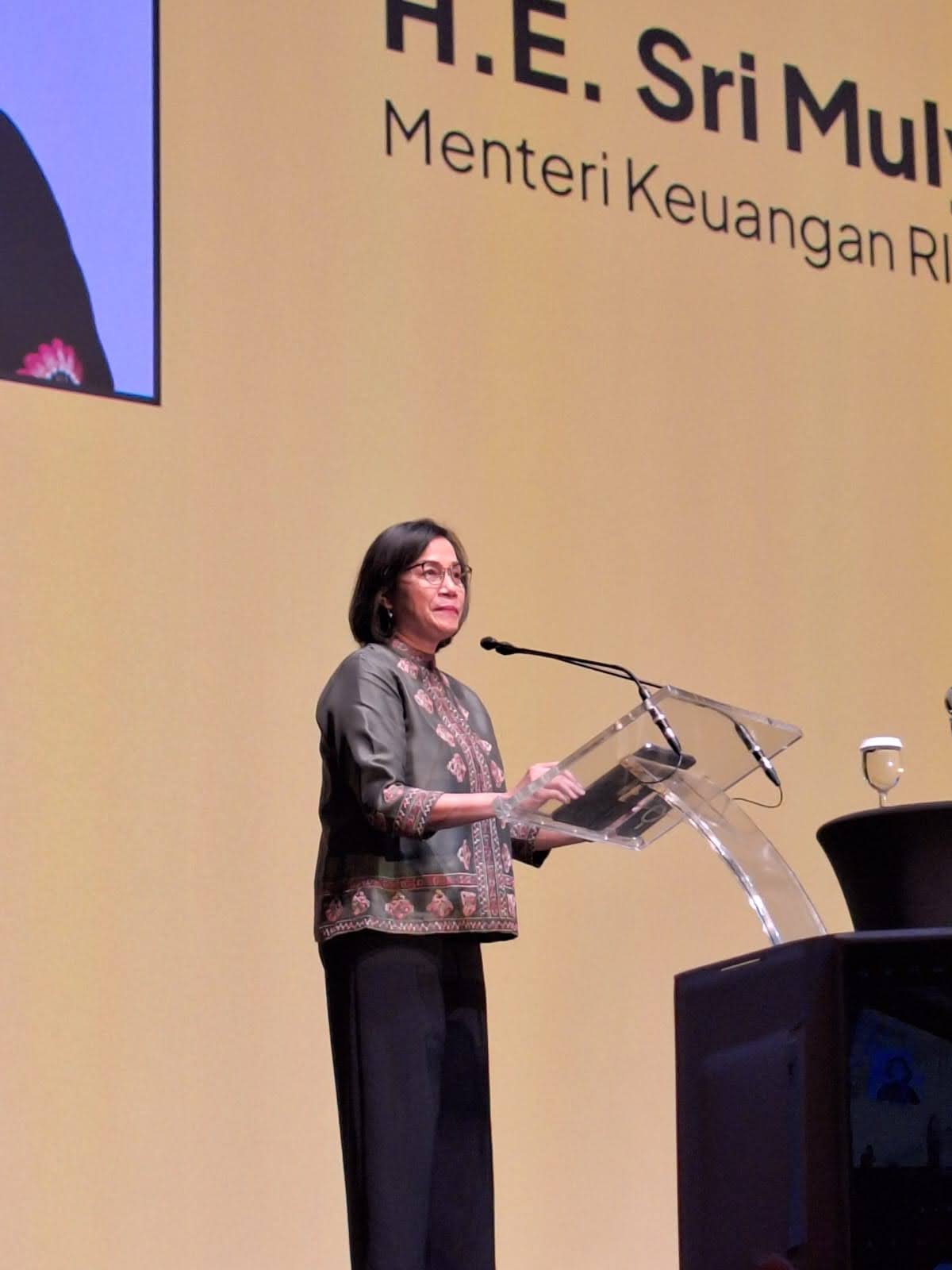
The Clean Energy Generation, including the Bogor Chapter of the Clean Energy Generation, participated in the Indonesia Net Zero Summit 2024, organized by the Foreign Policy Community Indonesia (FPCI) along with various other collaborators. The event took place on Saturday, August 24, 2024, at the Djakarta Theater, Jakarta, with various important agendas that attracted attention. Among them were “Climate Crisis in 10 Minutes” with Mikha Tambayong, the Net Zero Generation Declaration, the Climate Hero Award presentation by the Minister of Finance, Sri Mulyani, and a panel discussion entitled “From Ambition to Action: Climate Strategy Towards a Golden Indonesia 2045.” In addition, the event also featured a collaborative video entitled “Climate Crisis, a Common Enemy.” The founder of the Foreign Policy Community Indonesia (FPCI), Dino Patti Djalal, emphasized that the climate crisis phenomenon is a common enemy that must be fought collectively.
The climate crisis is increasingly showing its fangs. As global temperatures rise, many experts warn that we are facing what could be called a “leaking hell”—a term describing a hotter, uncontrolled, and catastrophic state of the Earth. According to Hijauku.com, global temperatures are rising because greenhouse gases trap more heat in the atmosphere. In 2021, the global average temperature reached 1.11±0.13°C above the pre-industrial average of 1850-1900. This has led to extreme weather events such as hurricanes, heat waves, forest fires, droughts, and floods.
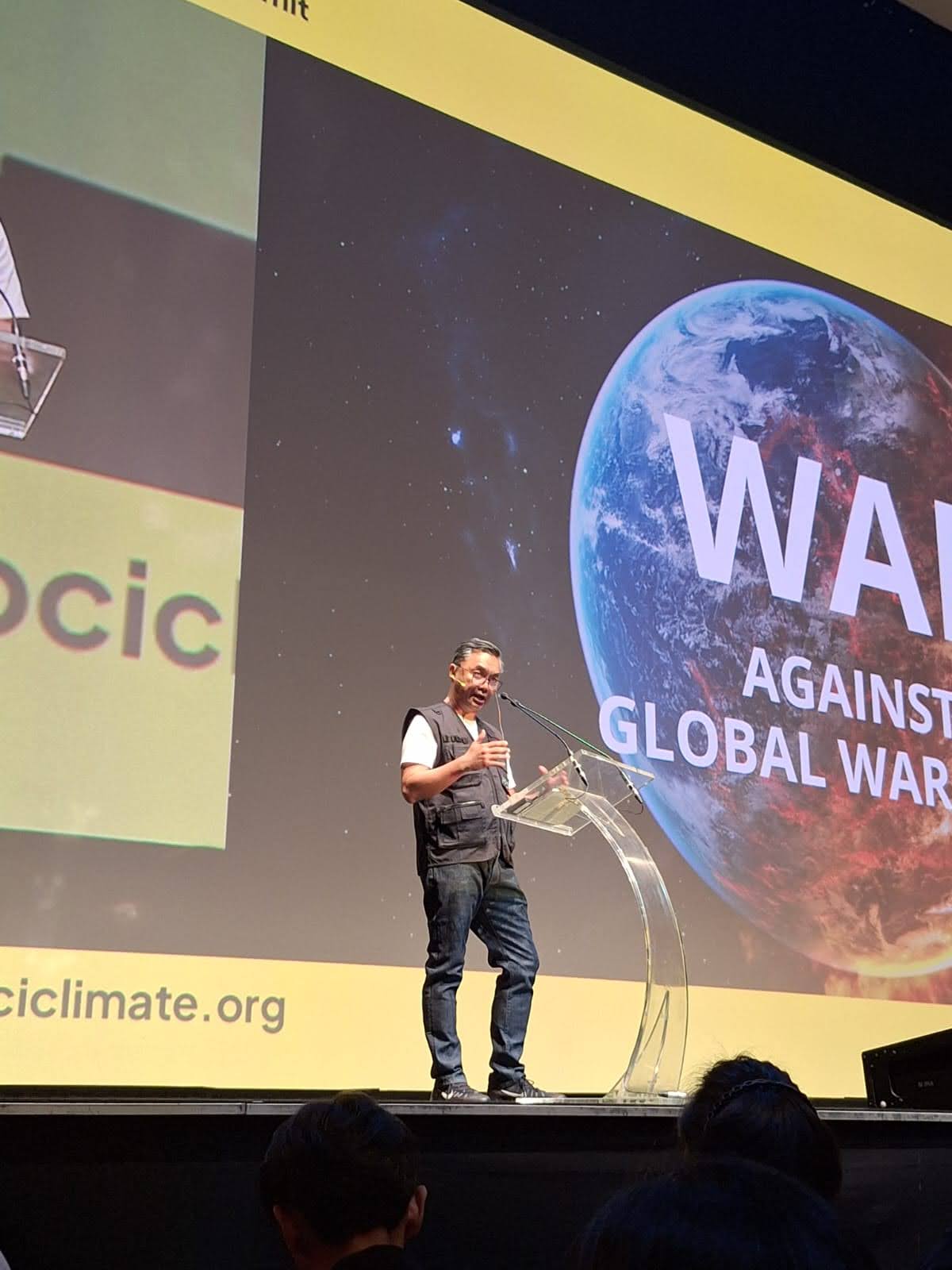
According to the latest report from the Intergovernmental Panel on Climate Change (IPCC), the world is now experiencing an average temperature rise of 1.5°C compared to the pre-industrial era. The impacts are already being felt across the globe. Extreme heat waves have hit Europe, setting record high temperatures in several countries, while devastating wildfires have destroyed thousands of hectares of land in Australia and the United States. The carbon budget, or the amount of carbon emissions that can still be released to stay below this threshold, is expected to run out before 2030.
This is why the Indonesia Net Zero Summit (INZS) is being held again this year, with a special focus on engaging young people and all generations in Indonesia. The event aims to raise awareness of the increasingly urgent climate crisis and encourage all parties to take concrete action in an effort to “save humanity” from the increasingly severe climate threat.
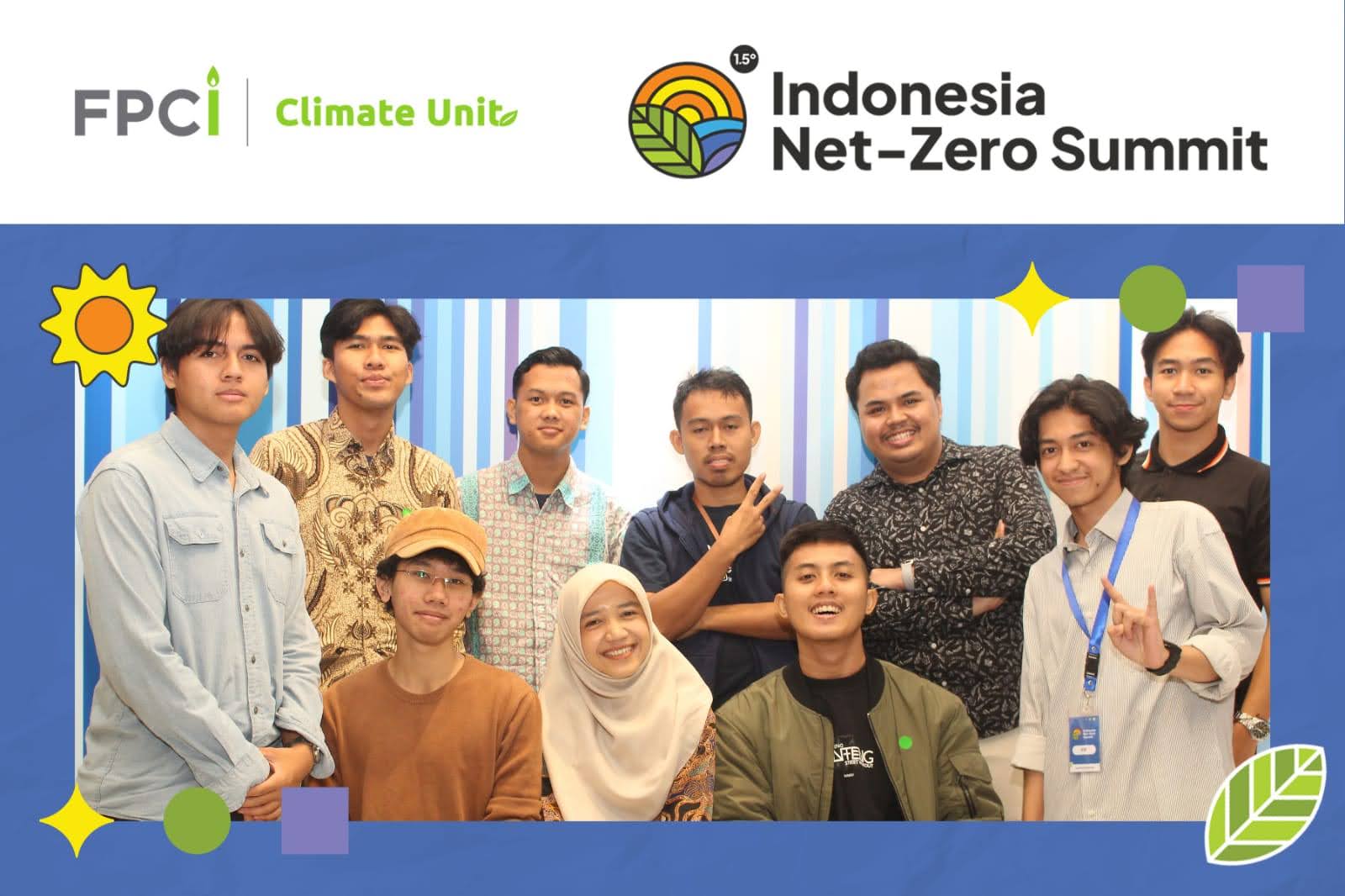
At the Net-Zero Generation Declaration, the crucial role of young people, particularly Gen Z, in combating global climate change was reaffirmed. This generation is committed to protecting the earth from the climate crisis and acting as the vanguard in global efforts to achieve carbon neutrality.
This generation has undertaken various concrete efforts to combat climate change. One of the most prominent is the transition to renewable energy, with a growing number of initiatives promoting the use of clean and sustainable energy. Furthermore, in the transportation sector, significant steps have been taken to expand and integrate environmentally friendly public transportation systems as part of a strategy to reduce carbon emissions. If we don’t act now, future generations will face far worse conditions. We must act now, before hell breaks loose and there’s nothing left to save.
