
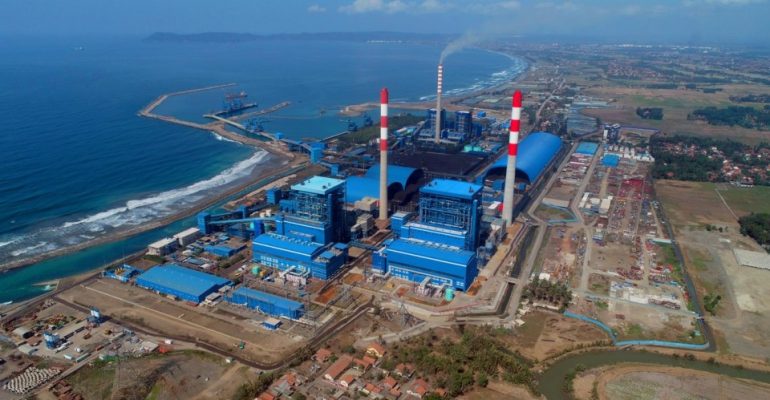
PT PLN (Persero) stated that the estimated coal demand for coal-fired power plants (PLTU) will reach 174 million tons in 2027. This figure represents a 24 million ton increase compared to the estimated 2026 coal demand of 150 million tons.
PT PLN EPI President Director, Rakhmad Dewanto, stated that the increased coal demand includes approximately 89 million tons of medium-rank coal (MRC) and 76 million tons of low-rank coal (LRC).
“This doesn’t mean all PLTUs can now use low-rank coal. Technological adjustments require time and investment. We must also consider the availability of replacement power plants when PLTUs must be temporarily shut down for technological upgrades,” said Rakhmad on Monday (November 9, 2026). This actually indicates that PLN remains focused on investment and developing coal-fired power plant technology to align power plant operational needs with domestic coal availability.
However, the projected increase in coal demand is not accompanied by an explanation of the main factors driving this increase, requiring further investigation through electricity demand projections, power plant operational plans, and national electricity supply planning.
This increase in coal demand contradicts Indonesia’s energy transition ambitions expressed by the Deputy Speaker of the People’s Consultative Assembly (MPR), Eddy Soeparno, who emphasized President Prabowo Subianto’s commitment to accelerating Indonesia’s energy transition through the development of new and renewable energy (NRE). Eddy’s stated agenda for accelerating the energy transition only mentions a program to build solar power plants with a capacity of 100 gigawatt peak (GWp). He presented this agenda while representing Indonesia at the “Global Finance Summit 2026,” a strategic agenda of President Prabowo Subianto’s administration. However, there was no discussion of strategies to address the increase in carbon emissions resulting from the increased demand for coal-fired electricity.
The increase in coal demand to 174 million tons by 2027 poses a challenge to Indonesia’s energy transition ambitions. Amidst the government’s commitment to accelerating renewable energy development, a clearer strategy is needed to reduce dependence on coal while ensuring a reliable electricity supply.
Meanwhile, forest fires throughout 2026 consumed 2.88 million hectares of land. Data from the Global Fire Emissions Database shows that as of September 7, 2026, fires in Indonesia had produced carbon emissions of 76 million tons of carbon (MtC).
These forest fires not only produce carbon emissions but also cause the loss of forest areas that act as natural carbon sinks. The decision to increase coal demand raises concerns. The potential for increased carbon emissions from coal use will be increasingly difficult to absorb due to the loss of many of its natural carbon sinks.
This situation further exacerbates Indonesia’s challenge in reducing carbon emissions, given that the increase in emissions from the energy sector coincides with a reduction in nature’s ability to absorb carbon due to forest fires. Therefore, the commitment to the energy transition needs to be reflected not only in long-term targets but also in current electricity sector planning and policies.
